There are mornings when getting out the door feels like the day's first major accomplishment. Someone needs breakfast, someone can't find a shoe, your coffee has gone cold, and you've answered three questions before you've properly woken up. This is usually when wellness advice starts to feel a little… ridiculous.
Ayurveda has its elaborate practices, but many of its most useful daily rituals are surprisingly ordinary. Warm water, tongue scraping, regular meals, oil massage, and getting enough sleep. Small habits that encourage us to pay attention to our bodies instead of constantly overriding them.
For busy mothers who want more energy, healthier skin, and a little more balance without adding another exhausting to-do list, these eight Ayurvedic rituals are a great place to start.
And please, don't try to do all eight tomorrow morning. Pick what fits your life and build from there.
1. Drink Warm Water When You Wake Up
Before coffee, emails, or the morning circus, start with a glass of warm water. In Ayurveda, this simple practice is traditionally used to gently encourage digestion and regular elimination.
Why It Works
After several hours of sleep, your body needs hydration. Water supports digestion and normal bowel movements, while the simple act of drinking something warm gives you a few minutes to ease into the day.
How to Do It
Drink a cup of comfortably warm water shortly after waking. Add a squeeze of lemon if you like, but plain water works beautifully. No need for apple cider vinegar, expensive powders, or complicated detox concoctions.
2. Scrape Your Tongue
I never forget this one! Tongue scraping has been part of Ayurvedic morning hygiene for centuries, and once you start, it's hard to imagine skipping it.
The practice involves gently removing the coating that accumulates on your tongue overnight. It takes less than a minute, which makes it one of the few wellness rituals that actually fits into a chaotic morning.
Why It Works
Tongue scraping removes surface debris and some bacteria, which can help improve morning breath. Ayurveda also traditionally uses the tongue's appearance as one observation of overall balance and digestion, although tongue coating alone can't reliably tell you what's happening in your gut.
How to Do It
Use a stainless steel or copper tongue scraper, gently pulling from the back of your tongue toward the front several times. Rinse between strokes and avoid pressing too hard.
Do this before brushing your teeth. Easy peasy.

3. Eat Your Main Meals at Regular Times
Ayurveda has plenty to say about food, but one of its most practical teachings is wonderfully simple: give your digestion some consistency.
As mothers, we're often feeding everyone else while surviving on coffee, forgotten lunches, and whatever our children leave behind. Then 4 p.m. arrives and we're absolutely ravenous.
Why It Works
Our digestive systems follow daily rhythms. Eating at reasonably consistent times can help regulate appetite and make it easier to recognize hunger and fullness.
Ayurveda traditionally recommends making lunch the largest meal, when digestive fire, or agni, is considered strongest. You don't need to reorganize your entire household around this idea, but having a proper midday meal is worth experimenting with.
How to Do It
Aim for regular meal windows and actually sit down to eat whenever possible. Simple, nourishing meals count. Leftovers count (but not highly recommended). Eggs and toast count. A bowl of oats counts too.
And the biggest flex? Chewing your food. Seriously. Slowing down and chewing thoroughly can make meals more comfortable, especially if you're prone to swallowing air and feeling bloated.
A small practice that may help keep you out of bloat town.
4. Try Dry Brushing for Smoother Skin
Dry brushing is a quick body-care ritual using a natural-bristle brush on dry skin before showering. It's one of my favorite ways to wake up the skin and get a little exfoliation without another elaborate beauty routine.
Why It Works
Dry brushing removes dead skin cells and temporarily increases surface circulation, leaving skin feeling smoother and refreshed.
You'll often hear claims that it dramatically stimulates lymphatic drainage or removes toxins. Your lymphatic system relies primarily on muscle movement and other normal bodily processes to move fluid. Think of dry brushing as a lovely exfoliating ritual rather than a medical detox treatment.
How to Do It
Starting at your feet, gently brush upward along your legs using light strokes. Continue toward your torso, then brush your arms toward your shoulders.
Keep the pressure gentle and avoid irritated, broken, or inflamed skin. Follow with a warm shower and a little body oil if you're feeling fancy.
Here is the one I currently use for both myself and my son!
5. Give Yourself a Little Oil Massage
Ahhh, Abhyanga. My favorite spa-like ritual, leaving me feeling oh so soft.
Abhyanga is the traditional practice of massaging the body with oil, often warm sesame oil. Ayurveda considers it especially grounding for Vata, the dosha associated with movement, dryness, and change…and scattered brain of course.
I love a quick version before my morning shower, but when I want the full experience, I'll do a longer massage before an Epsom salt bath. Heaven.
Why It Works
Oil massage moisturizes the skin, encourages relaxation, and helps you notice where you're holding physical tension. Massage may also temporarily ease muscle tightness and support a calmer state of mind.
For those of us with busy minds that never seem to turn off, the combination of warmth, touch, and a few uninterrupted minutes can feel especially good.
How to Do It
Warm a little oil between your palms and massage it into your arms, legs, shoulders, and feet. Use long strokes along the limbs and circular motions around joints.
Let the oil sit for a few minutes before showering, or simply massage your feet before bed if thats all you have time for.
Just put socks on afterward so you don't ice skate across your living room. You're welcome.
6. Take a Short Walk After Meals
Sometimes the best wellness practices are the least impressive-looking. A short walk after eating is one of them.
No equipment, special supplements, or workout clothes required. Just get up and move a little.
Why It Works
Research suggests that even brief, gentle walking after meals can help moderate post-meal blood sugar levels. It also provides an opportunity to move your body without adding another formal workout to your schedule.
Ayurveda has long emphasized gentle daily movement as part of maintaining healthy digestion and overall balance.
How to Do It
Walk for 5–15 minutes after lunch or dinner. Around the block, through your yard, or even around the house when the weather is (sigh) miserable.
Keep the pace comfortable. You're not trying to burn off your meal.
And here's a little bonus: leave your phone behind. Look at the sky, feel the breeze, and enjoy a few minutes when nobody needs anything from you. Hopefully.
7. Create an Evening Routine That Supports Sleep
If you've ever been exhausted all day only to feel strangely awake once the kids are asleep, welcome to the tired-but-wired club.
Ayurveda places considerable importance on consistent sleep and daily rhythms. And for good reason: sleep influences nearly every aspect of our wellbeing, from energy and mood to skin health.
Why It Works
A predictable bedtime helps reinforce your body's natural sleep-wake rhythm. Reducing bright light and stimulation before bed can also make it easier to wind down.
And while that final hour of scrolling might feel like your only personal time, it can quietly steal the sleep you desperately need.
How to Do It
Choose two or three calming habits you can repeat most evenings. Dim the lights, put your phone away, take a warm shower, read, stretch, or massage a little oil into your feet.
Aim for a reasonably consistent bedtime and give yourself 20–30 minutes to wind down.
No need for a two-hour bedtime ceremony involving twelve products and a Himalayan salt lamp.
8. Make a Simple Daily CCF Detox Tea
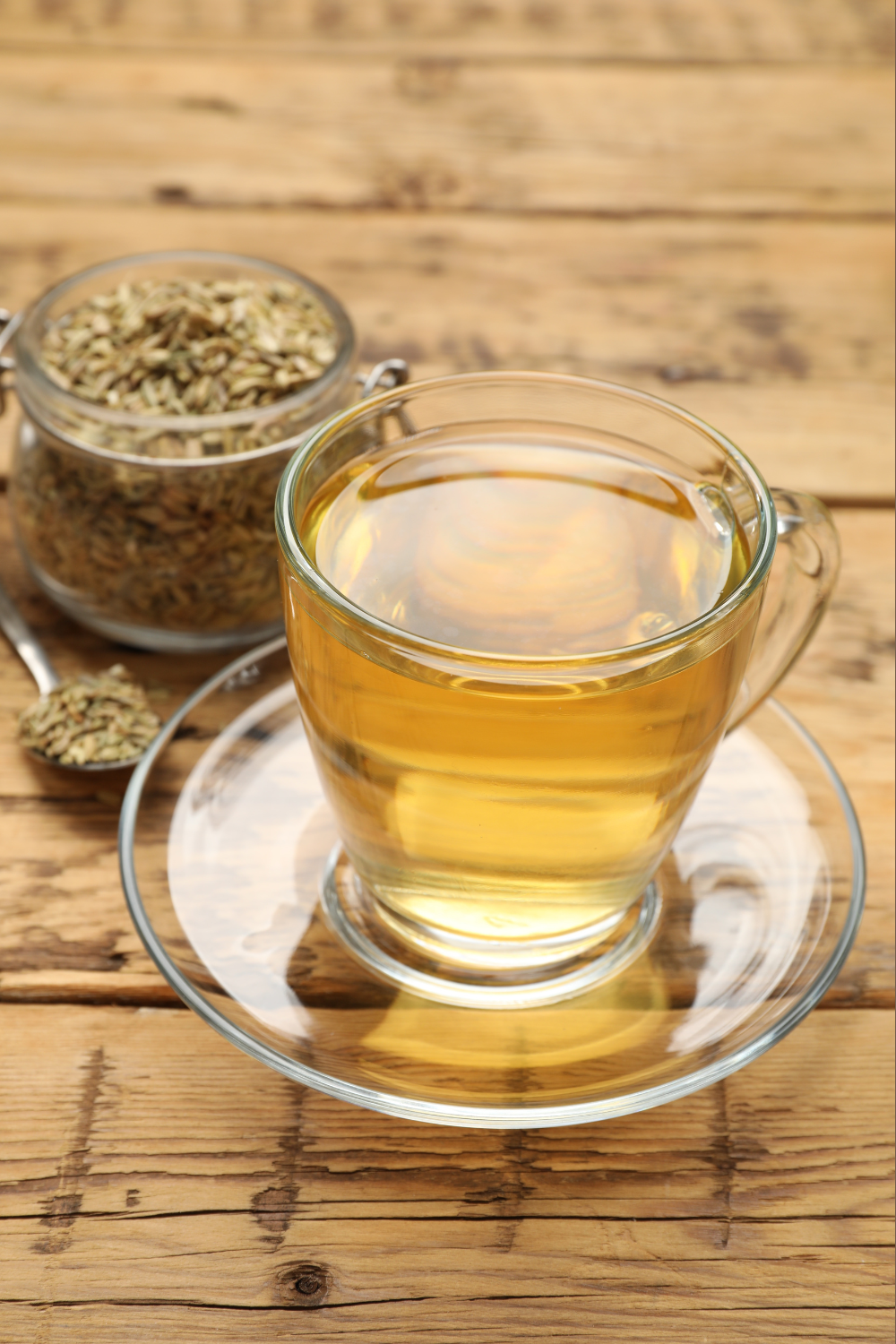
If there's one Ayurvedic tea I think everyone should know about, it's CCF tea, made from cumin, coriander, and fennel seeds.
And as my husband calls it taco tea. But don't let that throw you off.
CCF is traditionally considered one of Ayurveda's gentlest digestive blends, generally suitable for balancing Vata, Pitta, and Kapha. Unlike stronger heating teas, its combination of warming and cooling qualities makes it a versatile option throughout the year.
And personally? It's been a game changer for my skin issues. Just sayin'!
Why It Works
Each seed plays a role in traditional Ayurvedic digestion support. Cumin is used to stimulate digestion, coriander brings cooling qualities, and fennel is traditionally valued for occasional gas and bloating.
Together, they support agni, Ayurveda's term for digestive fire, without being excessively heating.
CCF is often described as a gentle detox tea because of its traditional connection to digestion and elimination. While research on the blend itself is limited, it can be a comforting way to hydrate and support digestive wellbeing. Your liver and kidneys already handle the body's actual detoxification work.
How to Do It
Ingredients:
½ teaspoon cumin seeds
½ teaspoon coriander seeds
½ teaspoon fennel seeds
3 cups water
Directions: Add everything to a saucepan, bring to a gentle boil, and simmer for 5–10 minutes. Strain and sip warm.
I like making a batch in the morning and keeping it in a thermos to drink throughout the day. One or two cups is plenty to start.
Rooted Rituals tip: Whole seeds make a cleaner, milder tea. But have I used ground spices when that's all I had? Absolutely. The flavor and strength will change, so start with a smaller amount. Don't let the absence of perfect ingredients stop you from trying something simple.

Making Ayurveda Work in Real Life
The easiest way to turn a good wellness practice into another source of stress is to try doing everything at once.
Start with the ritual that addresses something you're actually struggling with. If mornings are chaotic, begin with warm water or tongue scraping. If your digestion feels unpredictable, experiment with consistent meals or CCF tea. If you're exhausted at night but can't seem to settle, focus on your evening routine.
And remember that Ayurveda recognizes the importance of seasons, including the seasons of our lives. What works when your children are toddlers may look entirely different when they're teenagers. Your routines should be allowed to change with you.
Here's your homework: Pick one ritual and practice it consistently for the next seven days. Pay attention to how you feel, whether it fits into your life, and whether it's worth keeping.
You can always add another one next week.
And if all you manage is drinking your tea while it's still warm? Some days, that's a pretty solid win.
Just over here rooting for you :)
Adriana